
The Tech Nostalgia Revolution: Why We’re Craving the Old Days
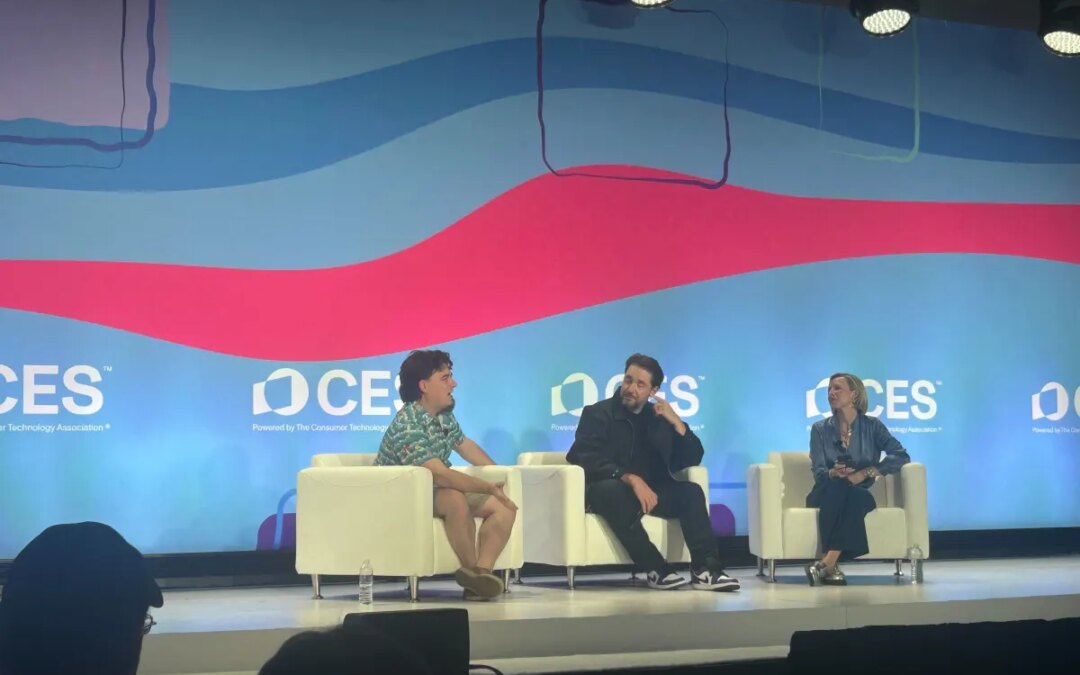
In a time when technology is advancing faster than you can say “download,” it might surprise you to hear industry giants like Palmer Luckey and Alexis Ohanian longing for the simplicity of the past. At this year’s Consumer Electronics Show (CES), these two tech leaders engaged in a passionate discussion about the lost art of vintage tech—and it resonated deeply with audiences.
A Throwback to Simpler Times
Luckey, the visionary behind Oculus, and Ohanian, a co-founder of Reddit, argue that today’s technology often lacks the charm and intentional design of earlier eras. Despite their current successes in the rapidly evolving fields of virtual reality and social media, both men are drawn to the nostalgia of simpler times; a time when dial-up internet ruled, and gaming was about craftsmanship rather than just high-definition graphics.
“It’s not just about nostalgia for the old; it’s about the fact that it’s just objectively better,” Ohanian stated, emphasizing the aesthetic and functional appeal of older consumer tech. They paint a picture of a bygone era where creating a playlist or a mix tape was an art form, something today’s instant downloads just can’t replicate.
Luckey echoed this sentiment, reminiscing about leisurely hours spent curating music libraries, pointing out, “With endless downloads, you lose something important.” When he speaks of past gaming experiences, you can almost hear the joy in his voice—a tone that comes from genuine appreciation for the roots of the industry.
Unpacking the Power of Nostalgia
What’s behind this wave of tech nostalgia? As younger generations grapple with overwhelming digital lifestyles, many find solace in the tactile, the real. Vintage technologies—like vinyl records and cassette tapes—are making a comeback, and retro-styled products are popping up everywhere you look. It’s almost as if we’re craving a time when life didn’t move quite so fast.
During their talk, Luckey and Ohanian highlighted how the youth today are nostalgic for eras they never even experienced. But rather than longing for their childhoods, they’re drawn to these older technologies simply because they recognize their inherent quality. Think of it like this: something handmade simply has more soul than a mass-produced item.
The Business of Nostalgia
It’s easy to dismiss this nostalgia as just a passing trend. However, Luckey and Ohanian’s enthusiasm might well be a savvy business strategy. With the rise of social media platforms and streaming services, consumer preferences are shifting back toward physical media and retro designs.
Case in point? Luckey’s recent foray into nostalgic gaming with his venture, ModRetro Chromatic. Marketed as a modern take on the classic Game Boy, this device allows users to enjoy vintage game cartridges from the 1990s. Priced at an accessible $199, it’s already been hailed as one of the best retro gaming consoles on the market. Ohanian showcased the device onstage, reinforcing why it’s not just old-fashioned; it’s a glimpse into the future of consumer technology.
A Nostalgic Wave at CES
The CES event buzzed with excitement as the two shared colorful anecdotes. Luckey, a self-proclaimed tech enthusiast since he was 16 (albeit with a fabricated ID), recounted experiences that evoked laughter and connection with the audience. It felt as if every remark he made tapped into a collective memory—reminding us all of the joy that technology once brought into our lives.
It’s hard to ignore the deeper implications of this conversation. While laughter filled the room, the reality of the tech landscape is sobering. Take, for example, Luckey’s defense company, Anduril, which has garnered a staggering valuation of $30.5 billion. They’ve been collaborating with Meta to develop military-grade headsets—a stark reminder that while we may yearn for old school gaming, the world is evolving in ways that raise ethical questions.
The Intersection of Tech, Ethics, and Style
Luckey didn’t shy away from discussing the complexities of global politics, particularly U.S.-China relations, stating bluntly, “We’re going through a messy divorce.” His comments reflect how intertwined our technological advancements are with geopolitics, forcing us to confront a future that’s anything but simple.
As we wax poetic about the allure of vintage tech, we can’t overlook the ethical implications of their production. The shiny promise of technology must be tempered with the realities of where and how it’s made.
What This Means for Us
The nostalgia wave feels especially poignant for millennials and Gen Z. Whether it’s a return to vinyl or vintage gaming consoles, these generations are not just indulging in old products; they’re seeking meaningful connections and experiences in an increasingly artificial world. It raises a key question: What does this mean for everyday people navigating the sea of modern technology?
In a marketplace cluttered with algorithms and endless streams of content, the appeal of tangible, well-crafted products is undeniable. Could a return to simpler times be what we need to reconnect with ourselves?
Closing Thoughts: The Road Ahead
As we reflect on Luckey and Ohanian’s dialogue at CES, it’s clear that the conversation around tech nostalgia touches more than just personal preferences. It speaks to the deep-seated human desire for connection, authenticity, and craftsmanship in a world that often feels overwhelmed by digital noise.
In a society fueled by tech advancements, we might find value in slowing down and understanding the aesthetic roots of where we came from. So, the next time you see an old vinyl record or a classic gaming console, take a moment to appreciate the nostalgia behind it. It’s not just about the past; it’s about what it can teach us about our present, and maybe even our future.
The allure of the old can inspire meaningful innovations that honor the best of both worlds—reminding us that sometimes, we’ve got to look back to move forward.
Recent Comments