
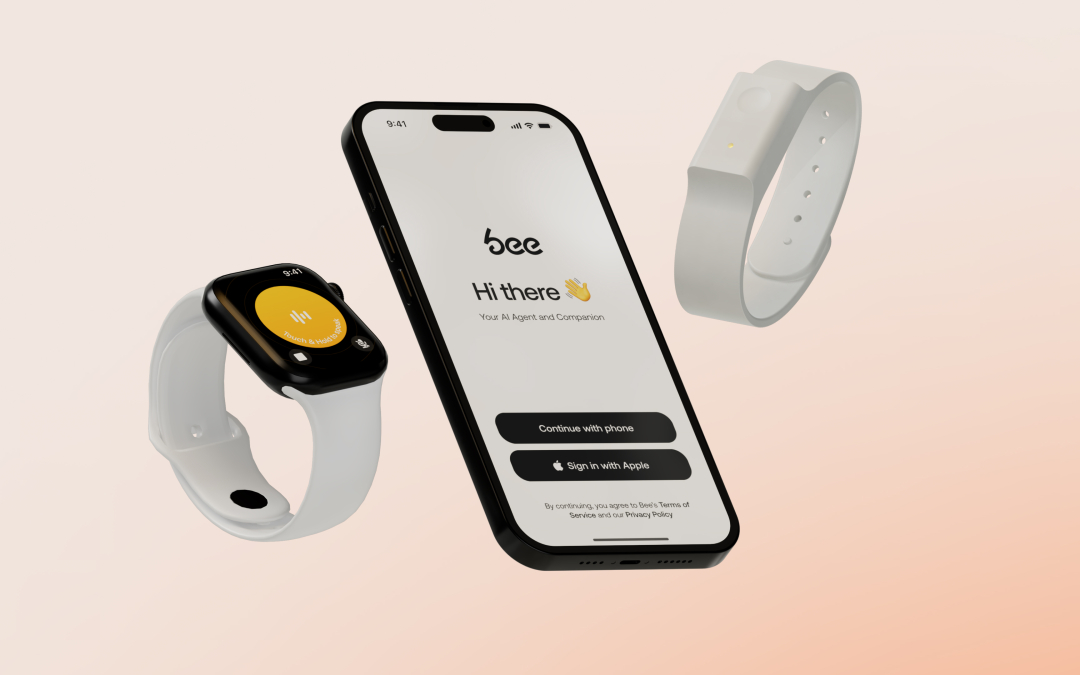
Meet Bee: The Smart AI Companion Changing the Game
What if an AI could clip onto your shirt, tracking your conversations and interactions throughout the day? At this year’s Consumer Electronics Show (CES) in Las Vegas, Amazon unveiled Bee, an innovative device designed to capture snippets of your life and act as a companion. Let’s dive into what Bee is all about and why it might just be the next big thing in AI technology.
The Buzz About Bee
Bee is more than just another gadget you can wear; it’s a tool that can record conversations during critical moments—think interviews, lectures, or important meetings. Unlike typical smart devices that remain confined to your home, Bee is designed for life outside the front door. Amazon’s acquisition of Bee marks a significant step toward embedding AI into our personal lives in new, meaningful ways.
Bee is a small, wearable device that can be attached to a clip or worn as a bracelet. It’s not just passive tech; it proactively learns from your interactions. With access to services you permit—like your email, contacts, and calendar—it tailors suggestions and reminders, keeping you organized and informed.
Companion or Competition?
You might wonder how Bee fits into Amazon’s current lineup of AI products, particularly the well-known Alexa. With Alexa working seamlessly in countless households, one might think the introduction of a new AI could muddy the waters. After all, Amazon has already tried wearing Alexa in earbuds and smart glasses—but those experiments didn’t take off like they expected, especially with fierce competition from tech giants like Apple and their AirPods.
Yet, Bee co-founder Maria de Lourdes Zollo insists that there’s no competition. “We see each other as complementary friends,” she stated at CES. Bee focuses on assisting you outside the home, capturing experiences in real-time, while Alexa brings you thoughtful interactions within your living space. Together, they might form a powerful duo in the future.
Creating Lasting Connections
What’s particularly fascinating about Bee is its ability to adapt and learn from you over time. It captures your thoughts and preferences, creating a personalized knowledge base. Zollo explained that Bee’s purpose is more than just recording; it aims to help you synthesize your experiences. Imagine being a student recording lectures without the hassle of handwritten notes or a busy professional needing seamless reminders throughout the day.
Early users are already finding Bee incredibly helpful. Students use it to keep up during lectures, while elderly individuals benefit from its ability to remind them of important details. Even professionals who often find themselves in lengthy discussions can lean on Bee to summarize their thoughts.
The Tech Behind the Magic
How does all this work? Bee employs a blend of AI models to ensure that the information recorded is accurate. After transcribing your conversations, Bee cleverly discards the original audio, making sure that it’s not bogged down by heavy files. This is a thoughtful design choice, but it raises one important question: Will users ever want access to that original audio for accuracy in important conversations?
Though it currently focuses on summarization, there’s a perception among users that being able to replay conversations could be highly beneficial—especially in professional settings. The entrepreneurial team behind Bee continues to explore ways to fulfill user needs and adapt the technology as it evolves.
What’s Next for Bee?
Sneak peeks into Bee’s future reveal an ambitious roadmap. Zollo hinted at upcoming features—think voice notes, daily insights, and even more integrations with other services. With an eight-person team working out of San Francisco, they’re well-positioned to innovate rapidly, especially with Amazon’s backing.
“Honestly, it’s endless possibilities now, and that’s one of the reasons why we’re really excited to be part of Amazon,” Zollo remarked, capturing the thrill of innovation.
Sticking Point: Privacy Concerns
While the concept of an AI capturing every significant moment may sound revolutionary, it inevitably raises concerns about privacy. What happens to all the data Bee collects? Would you feel comfortable wearing a device that records your conversations, possibly capturing sensitive information?
It’s a tricky balance. Being transparent about how your data is used and stored is crucial for these types of devices. Amazon will need to be preemptive in addressing privacy issues to gain consumers’ trust fully. After all, who wouldn’t have reservations about an AI that knows so much about you?
The Personal Touch
Reflecting on news from CES, I remember when mobile phones first transitioned from mere communication devices to the smart, multipurpose companions they are now. Back then, people were hesitant too, questioning the necessity of these new technologies. Fast-forward to today, and they’re practically an extension of ourselves.
The same transition appears to be on the horizon for devices like Bee. Will we come to embrace them as personal assistants, constantly learning and adapting to our lives?
How Can You Prepare for This AI Future?
For everyday people, the introduction of devices like Bee means we’ll need to think about the implications. What adjustments might you need to make in your daily life? Could a device like Bee assist you in managing your time and responsibilities?
Consider readying yourself for this new wave of technology. Familiarize yourself with the capabilities of smart devices, understand how they can enhance productivity, and weigh their benefits against potential pitfalls, such as privacy issues.
Final Thoughts: Why This Matters
The story of Bee resonates deeply in our rapidly changing world. It’s about the evolution of technology and how it shapes our daily lives. With each innovation, we’re tasked with balancing convenience and privacy.
In a world where our time and attention are increasingly divided, having a personal AI companion could be a game-changer. Bee promises support tailored to our individual lives—potentially altering how we interact with technology.
Remember, this isn’t just about being on the cutting edge of tech; it’s about reflecting on how we engage with our world. As we move forward, the question isn’t whether Bee or similar devices will succeed, but rather how they will fit into our lives. What do you think? Are you ready for an AI that not only listens but learns from you?
Recent Comments